
Jareas project forges alliance between Fuerteventura and ten Atlantic territories to improve artisanal fishing
The Jareas project is bringing Fuerteventura together with ten Atlantic territories to improve artisanal fishing.
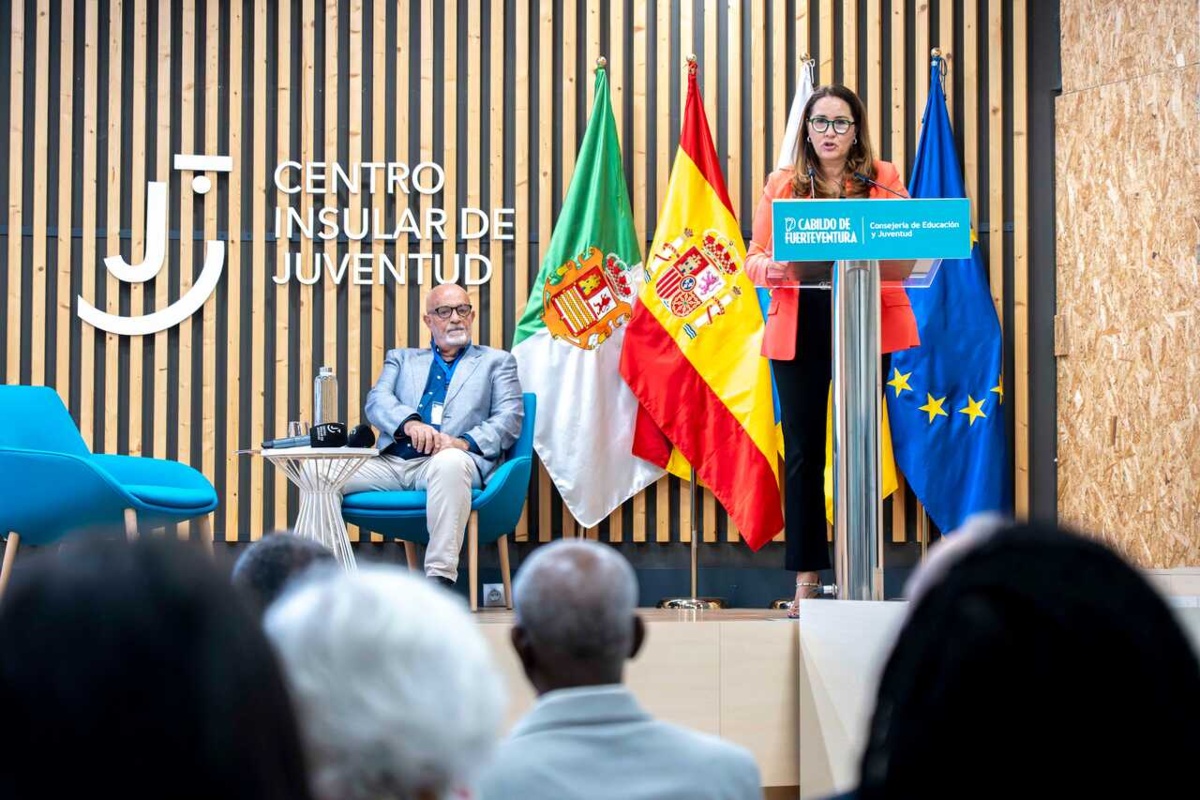
The JAREAS project has brought together twelve organisations in Fuerteventura from ten Atlantic territories across Macaronesia and Africa to share experiences, discuss common challenges and address issues facing the artisanal fishing sector.
The participating regions are the Canary Islands, Madeira, the Azores, Cape Verde, Senegal, Gambia, Mauritania, Côte d’Ivoire, Ghana, and São Tomé and Príncipe. The alliance aims to promote new economic opportunities for coastal communities.
A meeting was held this morning at the Island Youth Centre to share the project’s objectives and main areas of work, as well as introduce the organisations involved in the cooperation alliance. The project is run by Fuerteventura Island Council, with support from GESPLAN’s Internationalisation and European Projects department.
Other participants include the Coastal Action Group, the Regional Federation of Fishermen’s Guilds of the Canary Islands and the Chamber of Commerce, as well as administrations and organisations from Macaronesia and the African countries listed above.
Island President Lola García welcomed the partner countries, saying: “We share the same climatic conditions, the same oceanic reality and a fishing model based on traditional, sustainable methods. This is what sets us apart from other territories, and we must champion the development of our coastal communities while respecting the artisanal techniques that represent us and tackling shared challenges.” García also thanked “the guilds and the fishermen and fisherwomen who have maintained this fishing model and helped make us an international benchmark”.
Gustavo Viera, director of GESPLAN’s Internationalisation and European Projects department, said: “This project aims to foster collaboration with the Macaronesian region and neighbouring African countries to improve the traditional fishing sector, so that it has a present and, above all, a future by bringing in new generations.”
Juan Jesús Rodríguez Marichal, president of the Fuerteventura Chamber of Commerce, congratulated the Island Council and GESPLAN on the initiative, saying: “Our role is to act as a link between the public and private sectors. As a Chamber, our strength lies in our connections with other chambers in Europe and Africa.”
Agriculture, Livestock and Fisheries Councillor Enrique Pérez thanked “the fishermen’s guilds of the Canary Islands and Fuerteventura for joining the project, as well as the partner countries and organisations. This alliance will help us showcase our way of life and our produce.”
Lorenzo Brito, president of the Regional Federation of Fishermen’s Guilds of the Canary Islands, said the project “could play a very important role in taking fishery products to international markets and giving them the added value they deserve”.
The project’s Coordination and Governance Body is being established today, alongside a transnational workshop entitled ‘Building Jareas’, where participants are working together to define the project’s identity and identify key stakeholders.
Tomorrow, Wednesday 28 October, activities will move to the fishermen’s guilds in Corralejo and Gran Tarajal. Representatives of the partner organisations will be able to see first-hand the realities of artisanal fishing in Fuerteventura, including its infrastructure, organisation and main challenges.
The visits will provide an opportunity to exchange experiences with the local fishing sector and identify needs and opportunities that could contribute to the project’s work.
JAREAS, entitled ‘From maritime knowledge to blue innovation: competitiveness, resilience and sustainability for the artisanal fishing sector in the MAC area’, is being implemented by Fuerteventura Island Council under the Interreg VI-D Madeira-Azores-Canary Islands (MAC) Territorial Cooperation Programme 2021–2027, co-financed by the European Union through the European Regional Development Fund (ERDF).
Source: La Voz de Fuerteventura