
Fuerteventura records 12 drowning deaths in 2026, the second-highest figure in the Canary Islands
The archipelago recorded 59 deaths in water-related accidents between January and October, five more than in the same period of 2025. The association Canarias, 1500 Km de Costa warns that eight of those who died were minors and that many accidents occur during episodes of adverse coastal conditions.
Fuerteventura had the second-highest number of drowning deaths of any Canary Island in the first ten months of 2026. According to figures released by the Association for the Prevention of Water-Related Accidents Canarias, 1500 Km de Costa, 12 people lost their lives on the island between January and October. The figure was exceeded only by Tenerife, which recorded 21 deaths.
Across the archipelago, drowning deaths totalled 59, five more than in the same period of 2025, when 54 were recorded. The figures represent an average of nearly six deaths a month in water-related accidents in the Canary Islands.
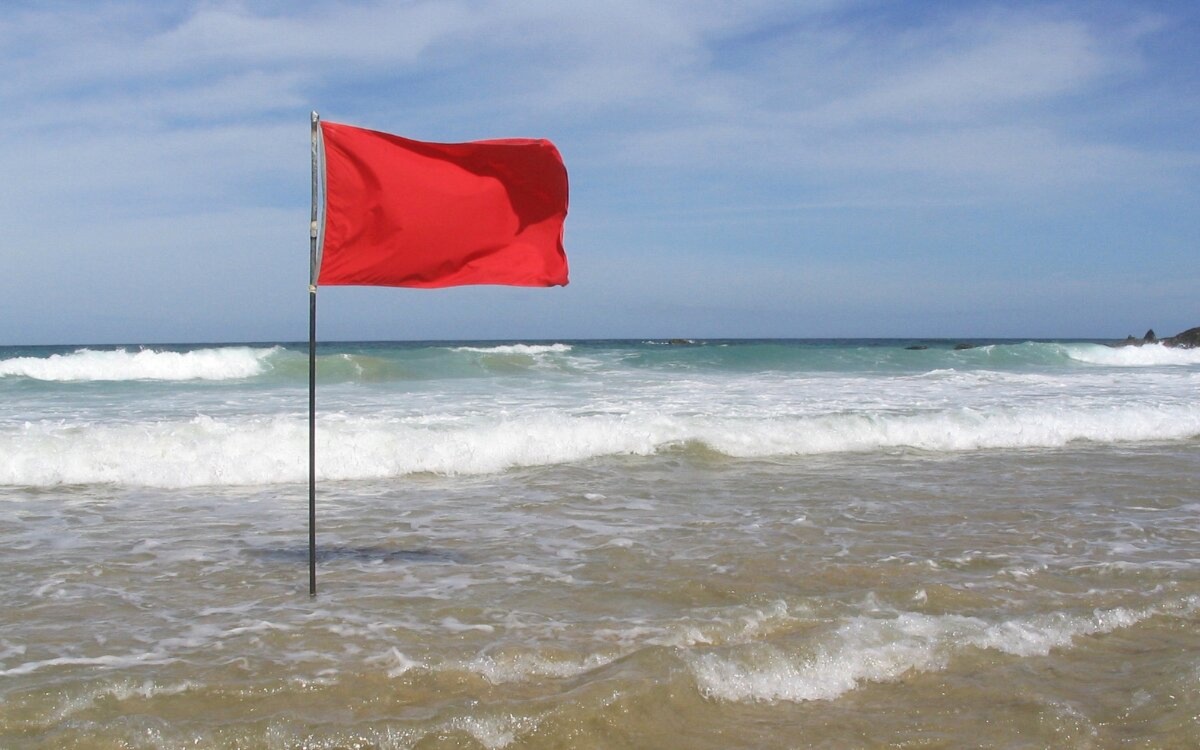
The association has issued a particular warning about the risks of entering the sea in rough conditions. It notes that many fatal drownings occur after people enter the water despite a red flag being in place.
October sees four deaths and 19 people affected
Accidents on the Canary Islands’ coasts and at aquatic facilities affected 19 people in October.
Four people died, three were seriously injured, another three sustained moderate injuries and three suffered minor injuries. A further six people were rescued unharmed.
From January to October, the association recorded 202 people affected by water-related accidents across the archipelago.
Alongside the 59 deaths, there were 14 people in critical condition, 33 with serious injuries, 30 with moderate injuries and 26 with minor injuries. Forty people were rescued unharmed.
The report highlights the link between accidents and episodes of adverse coastal conditions.
According to the association, 23 of the 59 people who died—39% of the total—entered the sea during pre-alert or alert situations activated by the Canary Islands Government. Such conditions were also present in 59 of the 202 recorded accidents, approximately 29%.
Eight minors die, the highest figure in a decade
The number of minors who drowned in 2026 is a particular cause for concern.
Between January and October, eight children and teenagers drowned in the Canary Islands, five of them during the summer months.
According to records kept by Canarias, 1500 Km de Costa, this is the highest number of child deaths from drowning recorded in at least the past decade.
A total of 31 minors have been involved in water-related accidents at beaches and swimming pools across the archipelago so far this year.
As well as the eight deaths, 11 minors suffered serious injuries, five moderate injuries and two minor injuries; five were rescued unharmed.
Tenerife tops the figures, followed by Fuerteventura and Gran Canaria
Tenerife had the highest number of deaths, with 21.
Fuerteventura ranked second, with 12 deaths, followed by Gran Canaria, with 11, and Lanzarote, with eight.
There were four drowning deaths on El Hierro, two on La Gomera and one on La Palma. No deaths were recorded on La Graciosa during the period analysed.
Fuerteventura therefore accounted for approximately 20% of drowning deaths recorded in the Canary Islands between January and October 2026.
Swimmers account for 61% of deaths
The report also analyses the circumstances in which the accidents occurred.
Of the 59 people who died, 36 were swimmers, representing 61% of the total.
A further seven victims, equivalent to 12%, fall into the category of accidents involving falls into the water from quays, cliffs, seafront promenades or other coastal areas, generally as a result of waves or slips.
Six people who died had been scuba diving and four had been fishing. In another six cases, there is no information about the activity the victims were engaged in.
Of those who died, 41 were men and 17 were women; the sex of one person was not specified.
By age, the study identifies 21 adults and 12 people aged over 60, in addition to the eight minors who died. The age of the remaining 18 victims could not be established.
Beaches account for 60% of accidents
Beaches remain the setting for the largest share of water-related accidents in the Canary Islands, accounting for 60% of cases.
Ports and other coastal areas follow, at 25%, then swimming pools at 9% and natural pools at 6%.
As for the time of day, 59% of fatal accidents occurred in the afternoon, 20% in the morning and 8% at night. No time information was available for the remaining 12%.
The study also records foreign visitors among the victims. According to the association, 21 of those who died and whose details were identified were foreign nationals from various countries, including Germany, the United Kingdom, France, Belgium, Norway, Italy and Venezuela.
No information about country of origin was available in 35 cases.
Call for prevention and respect for warnings
Canarias, 1500 Km de Costa is urging people to take extra care on beaches and in coastal areas, particularly when warnings of adverse weather conditions are in force.
The association notes that sea conditions can change quickly and that entering the water during periods of heavy swell increases the risk of serious accidents.
The statistical study is based on information from official sources in approximately 90% of cases. These include emergency services such as 112 Canarias, the Guardia Civil, the National Police, Salvamento Marítimo, local police forces, fire services and Civil Protection.
The initiative is sponsored by various public institutions and partner organisations, including the Gran Canaria Island Council, the Canary Islands Government, the Elder Museum and Binter.
With 59 deaths in ten months and Fuerteventura ranking as the island with the second-highest number of drowning deaths, the figures once again underline the importance of prevention, information about sea conditions and following safety advice along the Canary Islands’ coast.
Source: La Voz de Fuerteventura