
Inma Marrero: “Many children thought beans came from the supermarket, that they weren’t grown”
The cultural association Más Ruines que Caín gives a very positive assessment of the recent San Miguel Arcángel celebrations. It increased public participation and involved around 75 people in historical re-enactments, in addition to contributors from each locality. Its secretary, Inma Marrero, highlights the group’s ability to involve people of all ages in recovering Majorera history and traditions, from five-year-olds to people over 85. After 17 years, the association is already working on new projects, including the three-T route, an initiative intended to showcase the agricultural and livestock heritage of Tuineje, Tesejerague and Tiscamanita and attract visitors to inland Fuerteventura.
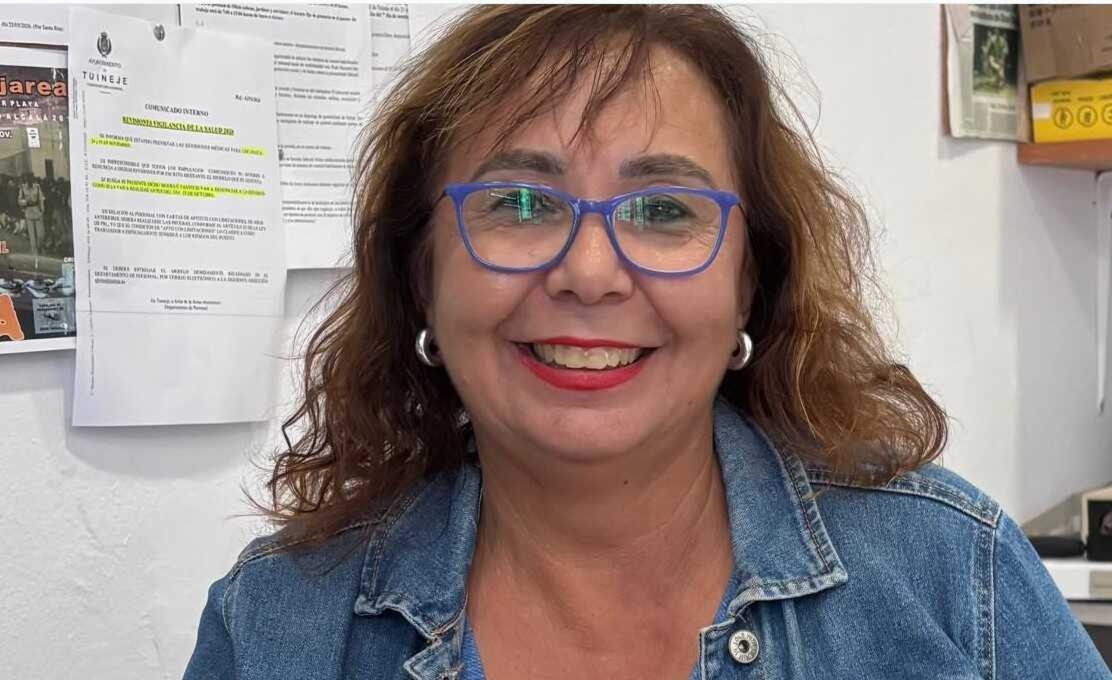
The history and traditions of Fuerteventura’s inland communities are at the heart of one of Más Ruines que Caín’s new projects. The association is developing the proposed three-T route, which would connect Tuineje, Tesejerague and Tiscamanita and introduce residents and tourists to the agricultural and livestock heritage of these localities.
“They are three inland villages with their own history and customs, and an agricultural and livestock sector, among other things,” the association’s secretary, Inma Marrero, explains in an interview with La Voz de Fuerteventura.
The initiative is still being developed and has no launch date. It reflects the association’s aim, since it began seventeen years ago, of turning cultural heritage into a tourist attraction and generating wealth for Tuineje.
Sowing practices and Fuerteventura’s agricultural memory
Reviving traditional sowing practices is another of the association’s main priorities. Más Ruines que Caín has organised routes and educational activities to show how the land was cultivated, where food came from and what everyday life was like for previous generations.
Marrero recalls their surprise at discovering that some schoolchildren did not know where familiar foods came from. “Many children thought beans, chickpeas and lentils came from the supermarket, that they weren’t grown,” she says.
The activities show how cereals were grown and gofio was made, as well as what childhood was like in the forties and fifties, when many children had to fetch water from wells or tend to animals before going to school.
The association is also preparing a performance of La Tafeña, linked to this agricultural tradition, at the Island Council’s request. It is to be staged at the Biblioteca Comarcal de Gran Tarajal.
San Miguel celebrations: greater participation
These projects follow a new edition of the celebrations in honour of San Miguel Arcángel, which have just concluded in the municipality and which Marrero views very positively. The association involved around 75 people in the historical re-enactments, not counting participants from each locality. Más Ruines que Caín also brought the history of Majorera wrestling to the Terrero de Lucha de Tetir yesterday, Saturday, during the commemoration of half a century of Asamblea Majorera.
“This year has gone very well, as it does every year. We’re especially pleased because many more people have taken part,” she says.
The growth is largely down to a philosophy of open participation and involving people from different generations.
“We don’t shut the door on anyone. Anyone who wants to take part and contribute in one way or another is welcome,” she explains.
Más Ruines que Caín currently brings together participants ranging from five or six years old to 84 or 85. Everyone can find a role suited to their abilities and interests, from re-enactments to audiovisual work and organising activities.
Marrero believes that allowing young people to propose and develop their own initiatives is one of the keys to keeping the group active. “Giving them the freedom to create and put forward projects, and supporting them, is what has brought people of all ages into the association,” she says. This has also enabled the group to make a strong commitment to technology.
The association’s secretary also highlights its family character, with parents, children and grandchildren taking part, and says its activities extend beyond municipal boundaries.
Marrero shares this commitment with the association’s president, Juanjo Cabrera. They prepare the re-enactments and new projects together, enriching them further through lively exchanges of views.
Inma Marrero concludes the interview by saying: “Being part of Más Ruines means doing what I enjoy.”
Source: La Voz de Fuerteventura