
 Tuineje
Gran Tarajal Agricultural Cooperative marks 80 years, honouring the women of the tomato harvest
The event at its headquarters in Llanos de La Higuera looked back at the cooperative’s history, heard about the experience of La Aldea’s cooperative and included a presentation of an award from the Island Council.
Redacción
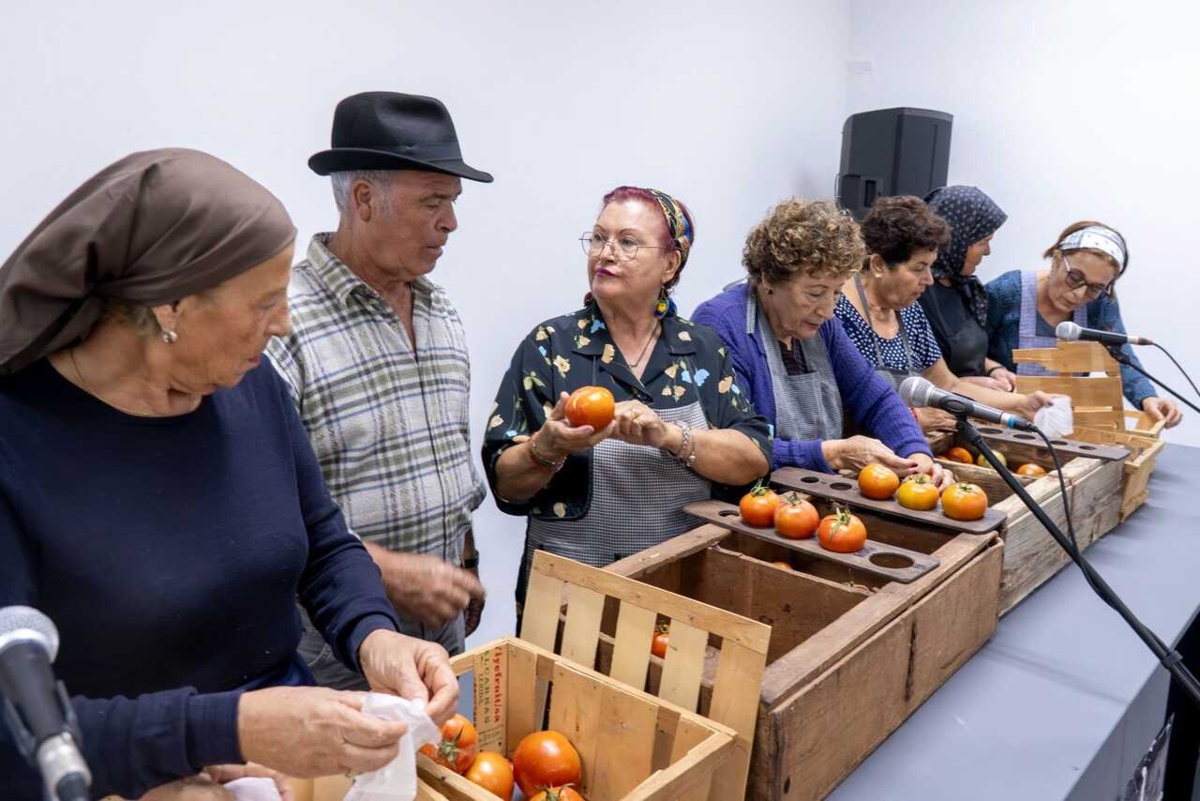
Gran Tarajal Agricultural Cooperative celebrated its 80th anniversary on Friday with an event at its headquarters in Llanos de La Higuera (Tuineje). It remembered the people who have shaped its history, with a special tribute to the women who worked in tomato production for decades. The event, organised by the cooperative, was held with the support of the Agriculture, Livestock and Fisheries Department of the Fuerteventura Island Council.
Those attending included Island Council president Lola García; Tuineje mayor David Herrera; Agriculture, Livestock and Fisheries councillor Enrique Pérez; and Economic Promotion councillor Nuria Cabrera. The evening opened with a performance by the Acaicate association, while music accompanied the programme. It also featured Marcelo Rodríguez Quintana, director general of the La Aldea de San Nicolás agricultural cooperative (COAGRISAN), who shared the experience of an organisation with which Gran Tarajal shares history, challenges and tomato-growing roots.
Island Council president Lola García recalled that the cooperative was founded when a group of small farmers, men and women, decided to produce and sell together in an arid land. “At a time when barely any food was reaching Fuerteventura, the cooperative helped supply the island and provided work for many families. Majorero tomatoes came from here and reached mainland Spain and various European countries,” she said.
García also stressed that “when we buy a tomato, a vegetable or cheese from Fuerteventura, we help sustain jobs in our towns and keep alive a way of life that is part of our identity”. She paid tribute to those who founded the cooperative in 1946 and to those who have served as its presidents, remembering Juan de Saá, who led it for almost three decades and was honoured at FEAGA this year. She also had words of recognition for the women of the Majorero countryside, who “worked with tomatoes for many years without receiving the recognition they deserved”.
Tuineje mayor David Herrera praised the event for recognising Gran Tarajal Agricultural Cooperative’s history and thanked the Fuerteventura Island Council for helping make it possible. He also underlined that the cooperative is part of the municipality’s history and identity, and highlighted the work of the farming families who have sustained its activity for eight decades.
Enrique Pérez said the cooperative’s history shows that “working together works”. “Eighty years ago, a group of farmers understood that they would have more strength by selling together. That idea remains relevant today, with water, production costs and the challenges of double insularity among the major obstacles. At the Department, we work closely with the sector to ensure that farming in Fuerteventura remains a livelihood for future generations,” he said.
Economic Promotion councillor Nuria Cabrera called the cooperative “a symbol of the resilience and struggle of the Majorero people”. She recalled a period of prosperity when agricultural produce became one of the island’s main economic activities, paying special tribute to the women of the tomato harvest, “heroines who made this Fuerteventura’s most exported product”. Cabrera also reaffirmed that the primary sector would continue to receive financial support from the Island Council, which is aware of “the difficult situation it faces in the current international context”. “Together, the administration and the sector must restore the primary sector and make it one of the main drivers of our economy, as it has been historically,” she added.
The event included a panel discussion on the cooperative’s history, with agricultural technician Jorge Mesa, Marcelo Rodríguez and two women who worked in the tomato harvest, Fátima Marrero and Ángela Brito Armas. They traced the different stages of an organisation that has adapted to each era.
The cooperative was founded in 1946, when 34 members, led by Sebastián Ramos Ramos, joined forces to defend the work of local farmers and secure a fair outlet for their crops. In the 1960s, when Tuineje accounted for three-quarters of the island’s tomato production, it was re-established, took on new members, opened its own packing warehouse and began exporting directly to Europe under the Ramos tomato brand. It eventually brought together almost 300 farmers.
Behind that history were the women of the harvest, who worked with tomatoes for decades, from the fields to the packing sheds, sustaining much of the activity that brought Majorero tomatoes to European markets. Their testimony, heard on the panel and remembered at the event, is an essential part of the cooperative’s history and of the role rural women played in the island’s economy.
Eight decades on, the cooperative remains active and adapts year after year. Since 2022, it has entered a new phase in Llanos de La Higuera, with the reopening of its packing and nursery areas and technical training for new producers.
The event ended with the Island Council president presenting the cooperative with an award to mark its anniversary, as a gesture of gratitude for eight decades of work, followed by a group photograph to remember the occasion.
Source: La Voz de Fuerteventura
