
Lola García calls for an Arid Islands Law for Fuerteventura, Lanzarote and La Graciosa
The president of Fuerteventura Island Council, Lola García, says she has already discussed the proposal with her Lanzarote counterpart, Oswaldo Betancort, to address the islands’ specific needs. The call was made at the professional event ‘Eastern Islands: Strategic Challenges for the Future of Tourism’, organised by Asofuer and Skål Internacional Canarias Islas Orientales in Fuerteventura on Thursday. The event aims to strengthen an alliance among businesses to tackle shared challenges and increase their influence with public authorities.
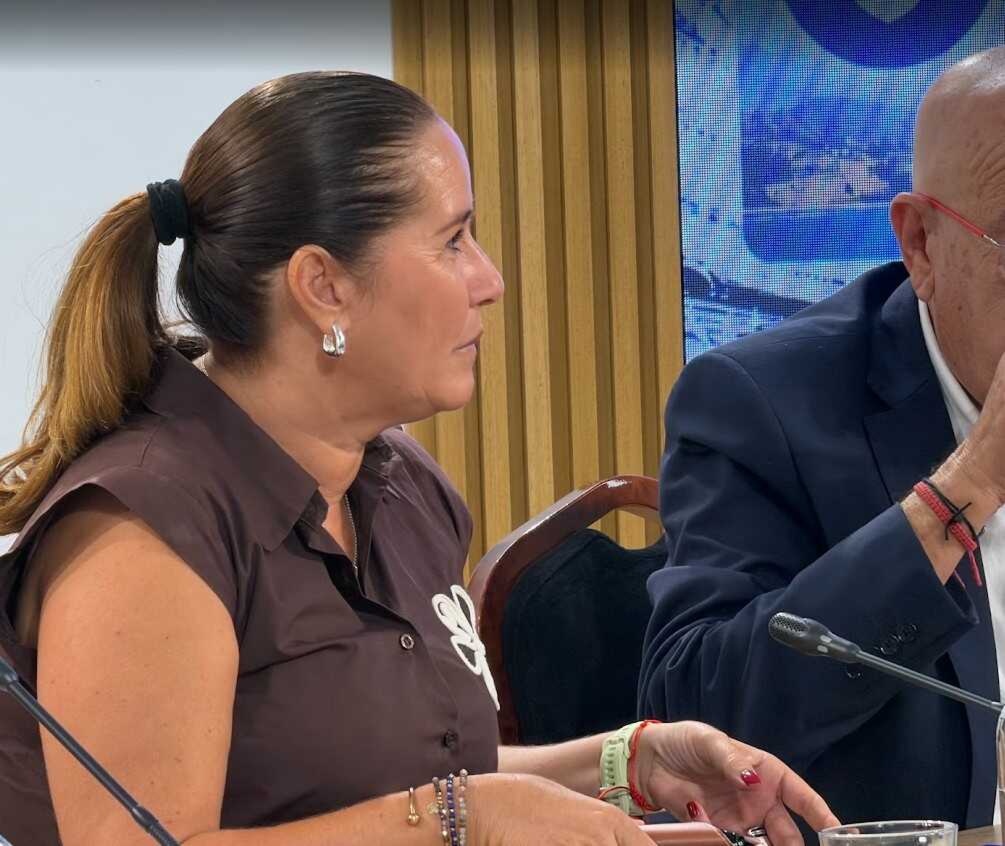
The president of Fuerteventura Island Council, Lola García, has called for an Arid Islands Law covering Fuerteventura and Lanzarote, modelled on the specific legislation for the Green Islands. The aim is to recognise the distinctive characteristics of both territories and address their main needs.
“We need an Arid Islands Law,” García said at the presentation of the professional event, held on Thursday at the Fuerteventura Conference and Training Centre. Citing the specific legislation for La Palma, La Gomera and El Hierro as a model, she revealed that she had discussed the initiative on numerous occasions with the president of Lanzarote Island Council.
She explained that the proposal aims to address the needs of Fuerteventura, Lanzarote and La Graciosa in areas including housing, water, healthcare and social care infrastructure, as well as accessibility, while taking account of the particular circumstances of the territories. She linked the measure to the need for tourism growth to have a direct impact on residents’ living conditions. “We cannot be content merely with wellbeing and looking after the people who come to visit us,” she said, stressing that the prosperity generated by tourism must translate into greater wellbeing for those who live on the islands.
García argued that Fuerteventura, Lanzarote and La Graciosa could strengthen their influence and tackle together the challenges that affect their development. She therefore welcomed initiatives such as the event organised by Asofuer and Skål Internacional Canarias Islas Orientales, which aim to create synergies and foster an alliance across the eastern islands.
The event began with a minute’s silence in memory of the victims of the railway accident that occurred in Toledo yesterday, Wednesday.
Around €7 billion in tourism revenue
Jéssica de León, the Canary Islands Government’s Minister for Tourism and Employment, said Fuerteventura, Lanzarote and La Graciosa together recorded around €7 billion in tourism revenue in 2025, with average spending of approximately €1,400 per visitor during their trip.
She also highlighted the islands’ significant economic weight, saying they account for “more than 30% of GDP and more than approximately 24% of all arrivals in the Canary Islands”.
De León highlighted the opportunities offered by a shared tourism strategy, particularly for attracting new international markets.
As an example, she pointed to Fuerteventura Airport’s potential to receive certain long-haul flights that Lanzarote Airport currently cannot accommodate. This could be capitalised on through joint promotion and connectivity initiatives.
Like García, the minister also identified shared challenges in housing, water, security, training and talent retention.
Asofuer and Skål lead business alliance
The event reflected the business sector’s desire to speak with one voice when putting its demands to public authorities and improving the competitiveness of both destinations.
Fernando Benítez, president of Skål Internacional Canarias Islas Orientales, said the first event was part of a new twinning project involving Fuerteventura, Lanzarote and La Graciosa, intended to examine the current state of tourism from the perspective of industry professionals themselves.
In the same vein, Asofuer president Antonio Hormiga said Fuerteventura, La Graciosa and Lanzarote face similar problems and need to act together to find solutions.
Both business representatives agreed on the importance of consolidating this space for collaboration, identifying shared needs and pursuing joint demands with public authorities.
In his customary critical tone, Hormiga placed particular emphasis on shortcomings in tourist areas and the need to improve their upkeep.
Tourist safety, professional training, talent retention, digitalisation and artificial intelligence were also central to discussions at the event, which sought to identify priorities and develop a shared roadmap for institutions and businesses.
Source: La Voz de Fuerteventura