
Fuerteventura Health Area highlights group interventions for World Mental Health Day
The island’s five-strong Primary Care psychology team provides people with tools to manage emotional distress and mild mental health problems through a range of workshops.
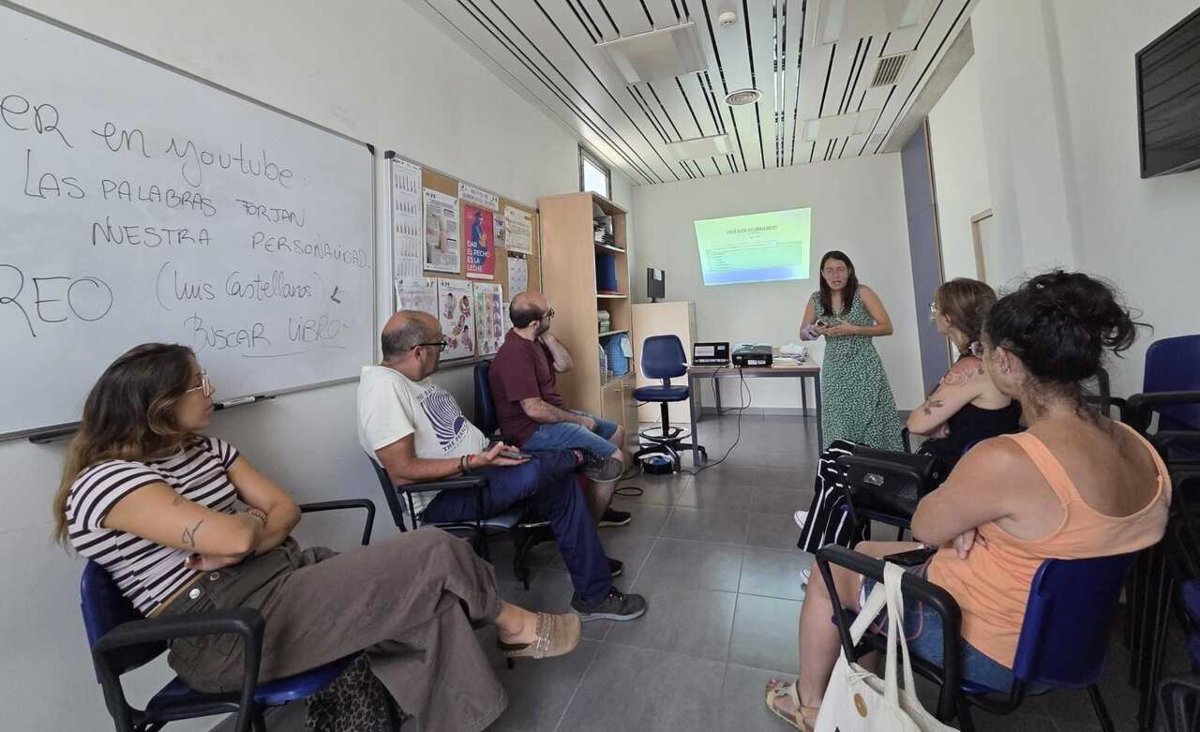
Fuerteventura Health Area, which comes under the Canary Islands Government’s Department of Health, is highlighting group interventions for people with mild mental health problems to mark World Mental Health Day. These initiatives, being run as pilot projects on the island, have so far helped provide early and ongoing psychological support to around 50 Primary Care patients. They have also offered a shared space where participants could exchange experiences, recognise common difficulties and normalise their emotional distress.
The initiative is run by the Primary Care psychology team, made up of five professionals who cover all the island’s Basic Health Zones. Their work aims to bring psychological care closer to the public and address mental health needs at the first point of care.
The integration of psychologists into Primary Care within the Canary Islands Health Service is being carried out through its Primary Care Psychological Support Programme, which is part of the Canary Islands Mental Health Plan and the +AP Strategy. The strategy was launched to strengthen Primary Care as a cornerstone of the health system. This model prioritises community-based care, prevention and recovery in people’s usual surroundings, helping to provide more accessible and comprehensive support. Since 2022, 53 psychology professionals have joined the service across the archipelago.
General health psychologists provide structured interventions to assess, prevent and address mental health problems at an early stage. They take a biopsychosocial approach and coordinate with other levels of care when patients’ clinical needs require it.
Bringing psychologists into health centres aims to improve care for mild or moderate mental health problems, strengthen prevention and stop these conditions from becoming chronic.
This week saw the end of the third edition of the Brief Emotional Intelligence Workshop in the Puerto del Rosario Basic Health Zone (ZBS). So far, the programme has enabled 36 people on the waiting list to receive early psychological support. It helps participants recognise, understand and regulate their emotions, while developing strategies they can use in situations involving anxiety, stress and heightened emotional arousal.
The workshop is run in groups of 12 and consists of four weekly 90-minute sessions, using a practical, experiential approach. Its aim is to meet patients’ needs in a structured, accessible and efficient way, helping them acquire tools they can use in everyday life.
The sessions have covered emotional intelligence and regulation, the relationship between thoughts, emotions and behaviour, identifying cognitive distortions, and mindfulness. They have also included breathing techniques and a range of self-regulation strategies for coping with emotional distress.
To conclude the workshop, participants put together an ‘emotional emergency kit’ and a personal practice plan. These are intended to help them use the strategies covered in everyday situations and continue practising after the intervention ends.
One distinctive feature of this group programme is that it is structured and can be evaluated. Participants are assessed at the start and end using the TMMS-24, the Beck Anxiety Inventory (BAI) and the Emotion Regulation Questionnaire (ERQ). These instruments provide indicators relating to emotional intelligence, anxiety and emotional regulation.
Emotional wellbeing workshops in the Antigua Basic Health Zone
Alongside the work in Puerto del Rosario, the Primary Care psychology team ran Emotional Wellbeing workshops in the Antigua Basic Health Zone between January and July, providing ongoing support to a group of 17 people.
This pilot programme consisted of ten group sessions designed to offer practical tools for managing stress, understanding how mental health problems such as anxiety develop, recognising their symptoms and learning coping strategies for everyday life.
The sessions also covered emotional regulation and self-care, with the aim of strengthening personal autonomy and helping participants manage emotional distress more effectively through a preventive and educational approach. The group format also allows participants to share experiences and learn from the strategies others use to cope with similar situations.
Source: La Voz de Fuerteventura