
In Fuerteventura, Jéssica de León highlights Hecansa’s commitment to bringing training to all the islands
The free ‘Local and Sustainable Gastronomy’ programme brings together fourteen participants in Puerto del Rosario, combining techniques to reduce food waste with the promotion of local produce.
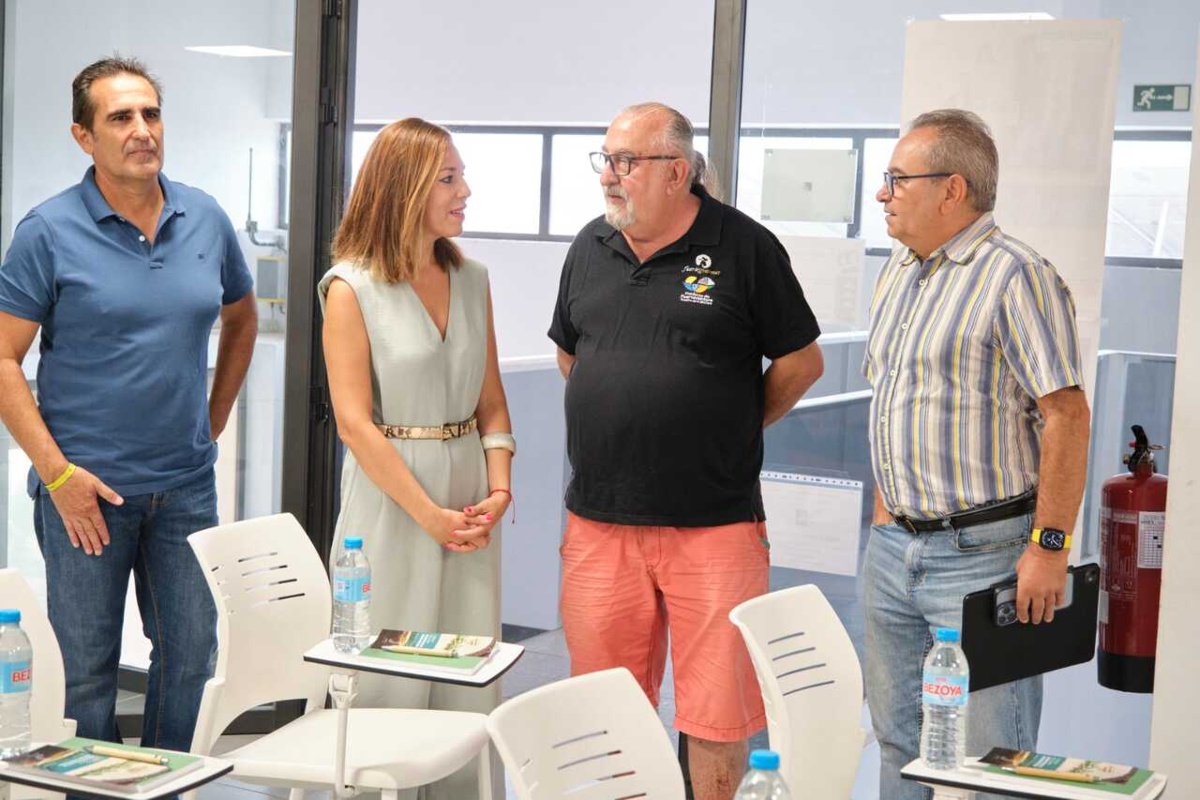
Providing the hospitality sector with tools to incorporate sustainability criteria into culinary processes and promoting the use of local produce are among the aims of the ‘Local and Sustainable Gastronomy’ training workshop. The Canary Islands Government’s Department of Tourism and Employment, through the Canary Islands Hotel Schools (Hecansa), delivered the workshop in Fuerteventura this Thursday, with fourteen hospitality professionals taking part.
The initiative is part of Hecansa’s non-formal training programme, which is designed to meet the training needs of professionals in the hospitality and tourism sectors. The programme has already been delivered in La Palma, El Hierro, La Gomera, Tenerife, Gran Canaria and La Graciosa, where eighty-four professionals have received training. After its stop in Fuerteventura, it will go to Lanzarote on 30 September, completing its tour of all eight islands.
Tourism and Employment Minister Jéssica de León said at the start of the course that one of the aims of the current legislative term is for Hecansa to extend its training activities beyond the two capital islands, where its training centres are based. “Last year we brought training to Fuerteventura in collaboration with the Tourism Cluster, and today we are taking another step forward alongside the Regulatory Council for the Majorero Cheese Designation of Origin,” she said.
De León explained that the course aims to help restaurant professionals “showcase local produce, such as Majorero cheese and tomatoes from Fuerteventura, and also learn to turn products and foods that would usually end up in the bin into new recipes”.
The minister also highlighted Hecansa’s commitment to sustainability and the decarbonisation of the tourism sector. “We are promoting circular tourism communities that make it possible to measure and quantify waste and give it a second use,” she said.
She said the regional government had invested approximately €1.2 million in these initiatives during the current legislative term, achieving a 35% reduction in waste and food waste at the sites where they have been implemented: Adeje, Puerto de la Cruz and Arona, in Tenerife. The aim now is to extend this model across the archipelago, particularly to Lanzarote and Fuerteventura.
“In the Canary Islands, we have a major challenge ahead, because food waste from hotels accounts for around 25% of the waste arriving at treatment plants. Before reducing that waste, we need to learn how to reinvent it and turn what was going in the bin into a dessert, a salad or another dish that makes the most of our food,” she said.
Hecansa chief executive Paola Plasencia said: “For months, we have been travelling around the islands to give hospitality and tourism professionals tools they can use in their day-to-day work, and we have already trained more than eighty professionals.”
Plasencia said the training focuses in particular on “reducing food waste and making use of kitchen surplus, using simple techniques and resources that can be incorporated into everyday dishes”.
Local produce and making use of surplus
The workshop took place at the El Charco Multipurpose Centre in Puerto del Rosario, a venue provided by Puerto del Rosario Town Council. It combined theory and practical sessions led by professionals and experts in gastronomy and local produce.
The theoretical session, ‘Sustainable cooking applied to the circular economy’, was delivered by agricultural technician Manuel López, an expert in local produce, farmers’ market manager, promoter of agritourism experiences and culinary communicator.
Luz María Díaz, a representative and technician from the Majorero Cheese Regulatory Council, also led a session on local produce, gastronomic identity and showcasing the area.
The practical session was led by Octavio González, head of department at the Santa Brígida Hotel School. He gave a contemporary pastry-making class focused on highlighting local produce and demonstrating techniques for turning surplus or very ripe products into original, high-quality desserts.
Source: La Voz de Fuerteventura