
Nicolás Suárez, Atlantis Technology expert: “AI is accelerating human value”
The representative of Atlantis Technology, a company within the Binter Group, argues that artificial intelligence will improve services for tourists and free workers from repetitive tasks. He made the comments at the professional event “Eastern Islands: Strategic Challenges for the Future of Tourism”, organised by tourism employers’ association Asofuer at the Fuerteventura Conference and Training Centre. Businesspeople, institutional representatives and specialists from Lanzarote and Fuerteventura are analysing the sector’s main challenges.
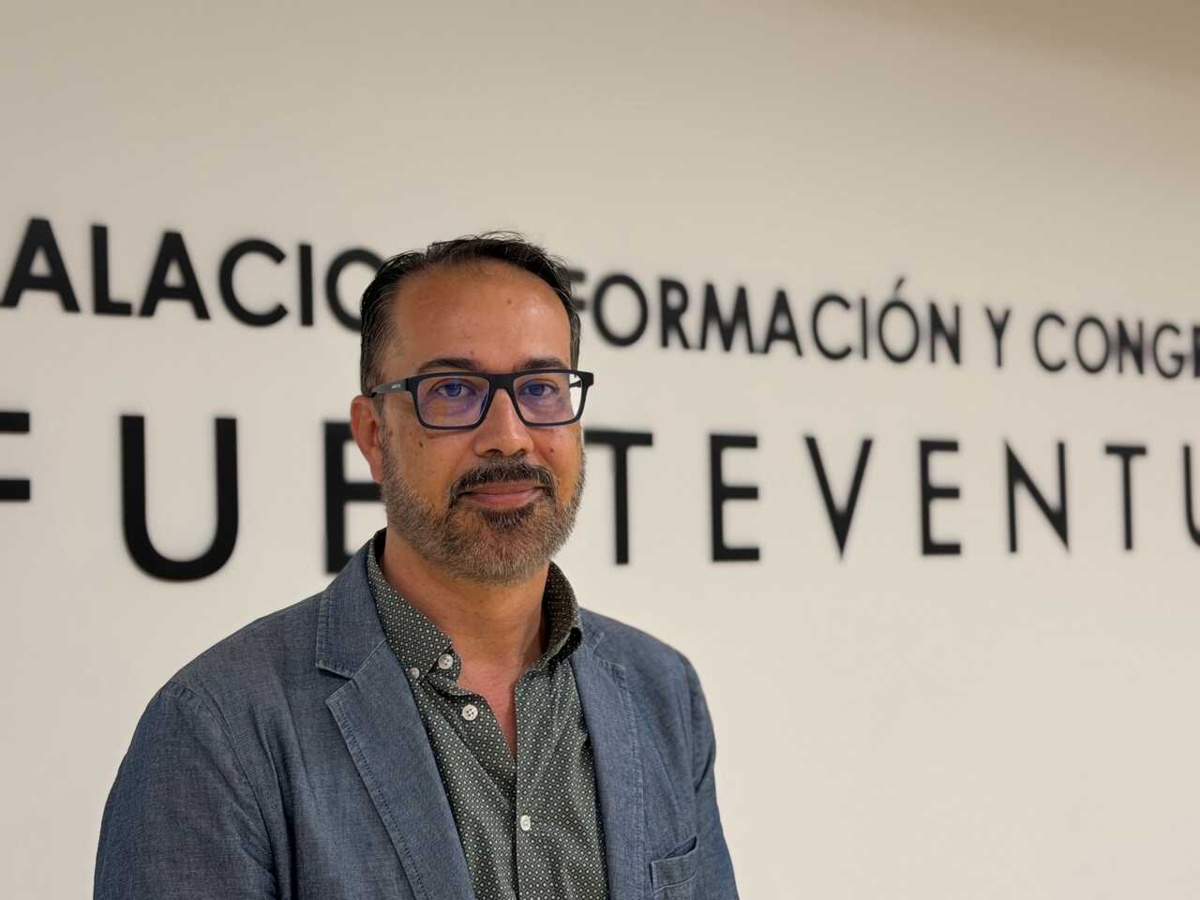
Artificial intelligence can help make tourism more human. That is the view of Nicolás Suárez, representative of Atlantis Technology, who argues that adopting new technologies will improve the quality of tourism services and strengthen personal relationships between workers and visitors.
His contribution forms part of an event examining the strategic challenges facing the Eastern Islands, with a particular focus on tourism security, training and talent retention, digital environment management, and the opportunities offered by big data and artificial intelligence.
The event, held this Thursday at the Fuerteventura Conference and Training Centre, provided an opportunity to share experiences and develop proposals to strengthen competitiveness and public-private collaboration between the destinations. It also aims to forge an alliance that highlights Fuerteventura, Lanzarote and La Graciosa as a united destination, joining forces to raise common concerns and seek solutions to shared problems and challenges.
Technology, an “accelerator” of humanity
In this context, Suárez highlighted artificial intelligence’s potential to transform how tourism businesses operate and improve working conditions for their staff.
“Artificial intelligence is accelerating human value,” he said, explaining that automating administrative processes and more tedious, repetitive tasks will give workers more time to interact directly with visitors. He believes technology will be “an accelerator of the human side of tourism services”, enabling businesses to strengthen functions that depend on personal interaction.
Asked about the gradual introduction of robots for certain tasks, Suárez said their use in some hotel services was inevitable, although he sees their role as complementing human work.
On the impact of new technologies on the labour market, the expert acknowledged that some large multinational companies are making decisions that involve redundancies, but expressed doubts about whether all those cuts are solely a result of technological adoption.
He believes the impact will be different for businesses in the Canary Islands, particularly in the Eastern Islands, and stressed that technology “will make it easier for businesses to deliver higher-quality, more human services”. People are not being replaced: “what is improving is the quality of those people’s work”.
Lack of digital readiness among the main obstacles
One of the biggest challenges in achieving this, according to the Atlantis Technology representative, is a lack of digital maturity, “both from a technological and a cultural point of view”, he stressed.
Artificial intelligence needs reliable, structured data to produce useful results. When that information is insufficient or inaccurate, business decisions may be based on incorrect conclusions, he warned.
Suárez therefore stressed the importance of training workers and developing a business culture that enables them to assess the responses generated by these tools critically.
He also emphasised that the data provided by artificial intelligence can help improve tourism management across the territory.
Gathering and analysing information about visitor movements, transport and tourism experiences can help businesses make better decisions and encourage collaboration between Fuerteventura, Lanzarote and La Graciosa.
In closing, Suárez urged tourism businesses and professionals to face technological change without fear and make the most of its potential to improve working conditions and services for visitors.
“I encourage them not to see it as an enemy, but rather as an ally,” he concluded.
Source: La Voz de Fuerteventura